
Most of our devices shout for attention, so it's refreshing to read someone who wanted the opposite. Martin Heidegger was a 20th-century German philosopher who wrote about how we relate to tools, spaces, and the rhythms of daily life. He wasn't interested in flashy features or buzzwords. He cared about how tools become part of our daily grind, almost like old friends who just get it.
Heidegger pushes us to look past the screen and ask how technology fits into our lives. He doesn't want to turn devices into relics. Read with a designer's eye, his work argues for products that support us without making a fuss, like a trusted sidekick on a wild adventure. That has real consequences for how we design: smart tech is fine, but it should also feel like an extension of who we are.
The vanishing act of technology
Heidegger talks about "ready-to-hand," a state where a tool is so intuitive you barely notice it. Think about riding your bike: you're not thinking about the pedals or the gears, you're just moving. That's the kind of interaction I'm after here. Good design sits reliably in the background and lets you get on with your day.
When technology gets that invisible, it stops being a distraction and starts actually helping. Imagine an app so easy to use you hardly notice it's there, yet it's always ready when you need it. That's what designing with Heidegger in mind looks like: products that blend into your life like a well-worn leather jacket, always there and never in the way.
Embracing your world
Heidegger's central idea is "being-in-the-world." It sounds lofty, but it's a plain reminder that our lives are tied up with the spaces and moments we live in. Every interaction you have with your environment, technology included, is part of that. What matters is less the gadget in your hand and more how it fits into your day.

For product designers, this means designing for real life. Whether it's a navigation app that knows your local shortcuts or a smart device that adapts to your routine, the goal is technology that feels at home in the world you live in. Products designed with a sense of place work better, and they make your day a little easier to live in.
Crafting real experiences
Heidegger's notion of "dwelling" has little to do with building houses. It's about making spaces where you actually feel at home. In digital design, that means experiences that aren't cluttered with needless distractions: interfaces that let you relax, pause, and interact on your own terms without overwhelming your senses.
Imagine a meditation or wellness app that doesn't bombard you with pop-ups and notifications, and instead gives you a calm space where you can just be. Design like that makes technology feel less like a taskmaster and more like a friendly companion, and it helps people carve out pockets of calm in an otherwise hectic digital world.
Breaking free from the data trap
One of Heidegger's sharper critiques is that modern technology tends to "enframe" our lives, squeezing our experiences into neat little data points. Anyone designing digital products should take that personally. The risk is building technology that monitors every move when it should be a tool that supports your flow.
My answer is a healthy dose of minimalism. Instead of stuffing products with every possible feature, strip back the clutter and focus on what people actually need. Design for simplicity and clarity, so your product behaves like a partner and not an overseer, and give users room to engage with the world on their own terms without the constant digital shove.
Down-to-earth design takeaways
So what does all this mean when you're staring at a blank canvas for your next project? First, aim for invisible interfaces. Build products so intuitive they blend into the background of everyday life. When tech works that smoothly, you don't have to think about it.
Next, keep your design grounded in the user's world. Think about where and how your product will be used. Is it meant for a busy city commute, a quiet home office, or the great outdoors? Once you understand the context, you can design something that fits it.
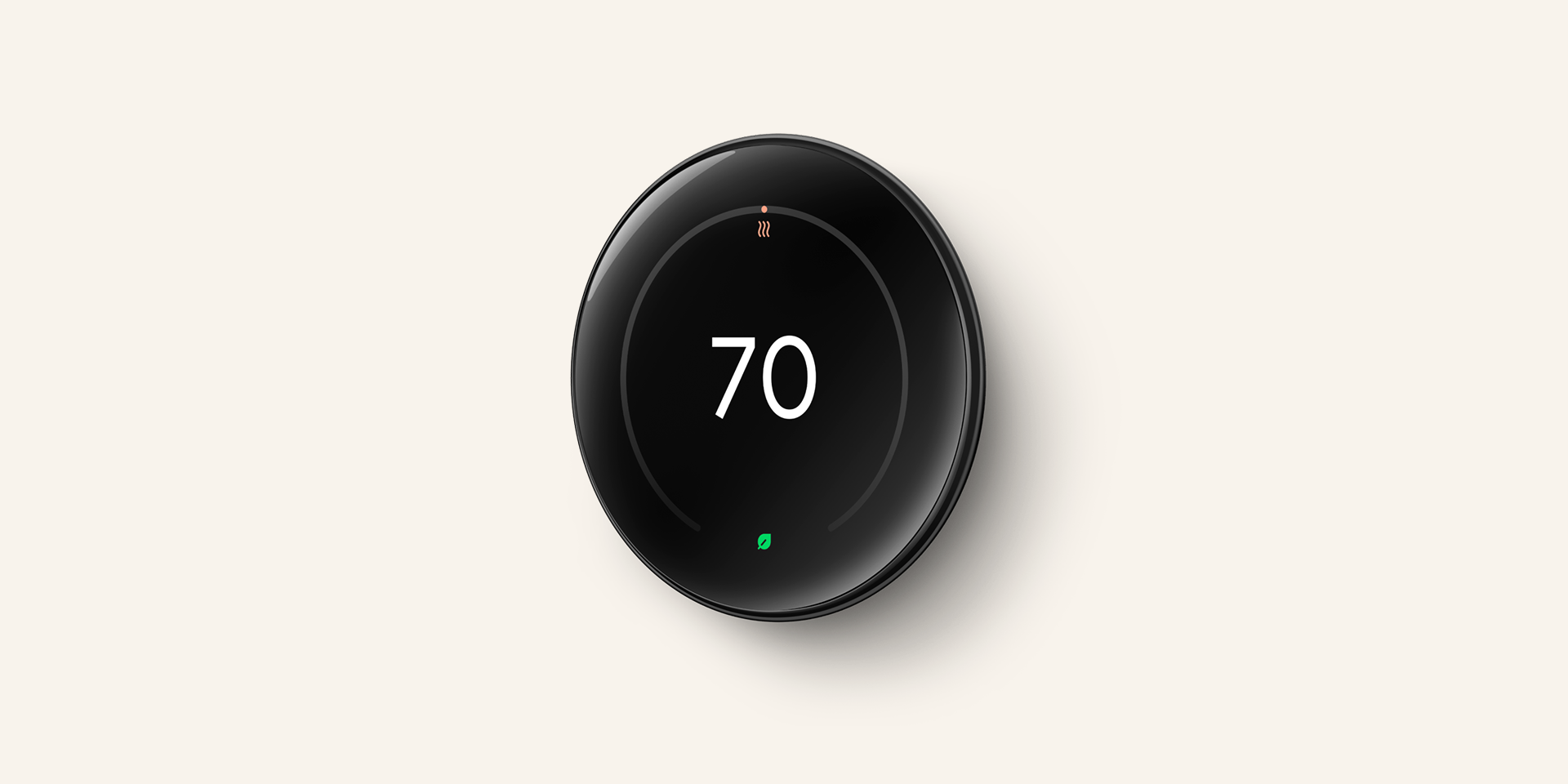
And finally, keep it minimal. Resist the urge to pile on extra features. Focus on making your product a reliable, unobtrusive companion that makes life easier instead of more complicated.
A fresh look at the future of design
Heidegger doesn't ask us to reject technology. He asks us to rethink it, and to see design as a way to make daily life better as well as a way to solve problems. If we pay attention to context and to how people actually use what we build, we can make products that make life a little bit better.
In a world full of digital noise, designing with Heidegger in mind can be a breath of fresh air. Build technology that supports you without getting in the way and feels like a natural extension of who you are, and we might navigate our increasingly complicated digital lives with a bit more ease and a lot more soul.
More in this series